It Starts With One Print, Not a Business Plan
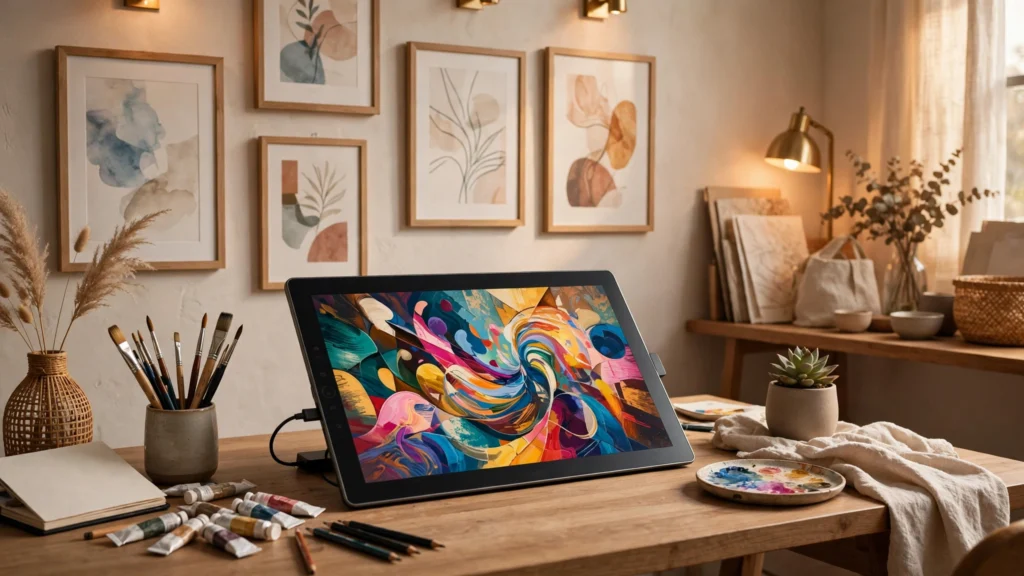
Picture this: it is 9 pm, you have just finished dinner, and you open your laptop. An hour later you have a set of ten dreamy, pastel wall-art prints made with an AI image tool, listed on a marketplace — something you made while sitting on your sofa is for sale to the whole world. That first listing costs nothing but an evening, and that is exactly why selling AI-generated art has become one of the most talked-about side incomes of 2026.
But here is the part the hype videos skip: most sellers earn a modest side income, not a salary. The people who do well treat it like a small craft business — a real product, a real audience, and a lot of small listings. This guide walks you through the realistic version: what you can sell, where to sell it, and how to make your first sales without spending money you do not have.
The Honest Truth First: What AI Art Selling Really Pays
AI art is cheap to make, which is both the opportunity and the problem. Anyone can generate a hundred images in an afternoon, so marketplaces are crowded with generic landscapes and neon portraits. The sellers who earn consistently are the ones who solve a specific problem for a specific buyer: nursery wall art for new parents, minimalist line art for rented flats, vintage-style travel posters for gift buyers, or seamless patterns for crafters who print their own fabric.
Expect slow beginnings. A new shop with ten listings usually makes its first sale in weeks, not days, and early months often bring a few small orders. That is normal for any new shop, AI-made or not. If anyone promises you hundreds of dollars in your first week from AI art, they are selling a course, not a business.
What You Can Actually Sell (and What to Avoid)
The simplest product is a digital download: the buyer pays, downloads the file, and prints it themselves. You make the file once and sell it again and again. Printable wall art, phone wallpapers, greeting cards, journal covers, and seamless patterns all work well as downloads.
Physical products are the next step. Print-on-demand services print your design on posters, mugs, t-shirts, or phone cases only after a customer orders, so you hold no stock. The profit per item is smaller, but buyers who want a finished product will pay for the convenience.
What to avoid: copying a famous artist’s style and selling it as your own, generating images of celebrities or trademarked characters, and using AI images that include garbled text or obvious glitches. Buyers notice, marketplaces remove listings, and your reputation is hard to rebuild. Our guide to selling digital templates online covers the same download-first model in more detail, and the principles transfer directly.
Your First 10 Listings in a Weekend
Do not build a shop of a hundred listings before your first sale. Start with ten good ones, in one clear style, aimed at one clear buyer. Here is a realistic weekend plan.
Friday evening — pick your niche. Choose one buyer and one style: for example, “boho nursery art for new parents” or “minimalist botanical prints for home offices”. A narrow shop is easier to find than one selling a bit of everything.
Saturday — generate and curate. Make 30 to 40 images with your chosen AI tool, then keep only the best ten. Judge them like a buyer: would you hang this on your own wall? Delete anything with distorted hands, broken text, or muddy colours. If you need a refresher on the tools, our roundup of the best free AI photo editors includes options for cleaning up and upscaling your final images.
Saturday evening — write honest listings. Each listing needs a clear title (“Boho Rainbow Nursery Wall Art, Set of 6, Printable”), a plain description of what the buyer gets (file sizes, print sizes, instant download), and mockup images showing the art on a wall. Never claim a print is hand-painted or original photography — say it is AI-assisted digital art.
Sunday — publish and price. Price digital downloads modestly at first — a few dollars for a single print, a little more for a set. Low prices will not make you rich, but they lower the barrier for first reviews, and reviews make a new shop trustworthy.
Where to Sell Your AI Art
Etsy is the most popular starting point because buyers already go there looking for printable art, and its search brings you traffic without ads. Read the Etsy Seller Handbook before you open a shop — it explains fees, listing rules, and what AI-generated items must disclose. Creative Market and Gumroad are good alternatives, especially for patterns, wallpapers, and design assets, and they take a smaller cut of each sale.
Social media is your shop window, not your shop. Post your art on Instagram and Pinterest, where visual products get discovered, and link back to your listings. Our guide to earning money with Canva shows how the same design skills feed several income streams at once, and if you want the wider picture, the beginner’s playbook for selling digital products covers pricing and store setup beyond art alone.
The Copyright Question You Cannot Skip
AI art sits in a grey area that is still changing. In general, you can sell images you generated, but you cannot claim copyright in the same way as a photo you took yourself, and rules differ by country and by the tool you used. Always read the terms of the image generator you use — some free plans restrict commercial use, while paid plans allow it. Keep a note of which tool made each image, keep your prompts, and never sell an image that closely copies a living artist’s distinctive style or a brand’s trademark. When in doubt, make something more original rather than something more similar.
What Separates the Shops That Sell From the Ones That Stall
After the first ten listings, the work shifts from making art to making the shop findable. Add new listings every week — shops that keep growing get shown more. Use the exact words buyers type: “nursery wall art printable”, not “ethereal dreamscape series no. 4”. Study the shops already selling in your niche and notice what their titles, prices, and mockups have in common. And ask your first buyers what they liked — a short thank-you message after a sale often earns a review, and reviews are the cheapest advertising there is.
Final Word
Selling AI-generated art will not replace a salary overnight, and anyone who says otherwise is selling something else. But as a low-cost side income it is genuinely real: an evening of work, ten honest listings, and a shop that stays open while you sleep. Start narrow, price fairly, disclose that the art is AI-assisted, and let the first reviews — not the hype — tell you whether to keep going. The artists who last are the ones who treat buyers like people, not traffic. Do that, and your one evening of prints might just become a small business.