
Introduction
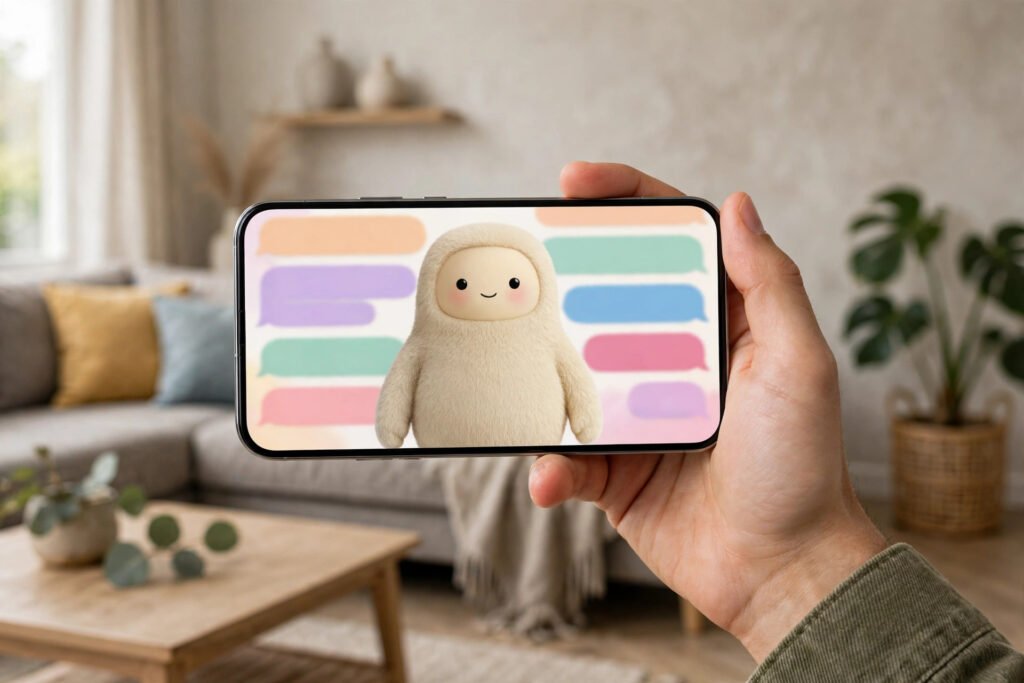
Your WhatsApp avatar is a cartoon version of you — built from your selfie, adjustable down to the hairstyle, glasses, and outfit — that you can use as stickers, reactions, and even your profile photo. It is one of WhatsApp’s most fun personal features, and also one of the easiest to miss, because the setup is tucked away in Settings rather than in the chat screen.
Here is how to create a WhatsApp avatar in 2026, how to actually use it once it exists, and what to do when it looks nothing like you.
How to create your WhatsApp avatar
Step 1: Open WhatsApp, go to Settings, and tap “Avatar”.
Step 2: Tap “Create Your Avatar” and follow the prompts. WhatsApp can start from a selfie: it reads your photo and builds a first version with a similar face shape, skin tone, and hair.
Step 3: Customize everything. This is the part worth spending time on: hairstyle and color, face shape, eyes, eyebrows, nose, mouth, glasses, facial hair, body shape, and outfit. Small changes here make a big difference to how much the avatar actually resembles you.
Step 4: Tap “Done” and then “Save Changes”. WhatsApp generates a full sticker pack from your avatar automatically — no extra app needed.
If the Avatar option does not appear in your Settings, update WhatsApp from the Play Store first. Avatars rolled out gradually, and older app versions simply do not have the feature.
How to use your avatar
As stickers: Open any chat, tap the sticker icon, and switch to the avatar tab. You get dozens of ready-made stickers — laughing, celebrating, shrugging, saying thanks — all starring your cartoon self. These are far more personal than generic sticker packs, and they are one reason custom WhatsApp stickers have become so popular.
As reactions: Long-press a message, and your avatar stickers appear among the reaction options for a more expressive reply than a plain emoji.
As your profile photo: In Settings, you can set your avatar as your profile photo. This is a good middle ground if you want a recognizable photo without sharing a real picture of yourself — handy for work groups and large communities.
In video calls: On supported devices, you can appear as your avatar in video calls instead of your real camera feed — useful when you are not camera-ready but still want to be present.
Making an avatar that actually looks like you
- Start from a straight, well-lit selfie. Sunglasses, hats, and side angles confuse the face scan and produce a generic result.
- Fix the two things people notice first: hairstyle and glasses. Get those right and the avatar reads as “you” even if the face shape is approximate.
- Do not trust the first draft. The selfie-based version is a starting point. Spend five minutes adjusting skin tone, hair color, and face shape manually.
- Check it at sticker size. Details that look great full-screen disappear at sticker size. Bold features read better than subtle ones.
Editing, updating, and deleting your avatar
Styles change, and so should your avatar. Go back to Settings > Avatar > Edit to change anything at any time — a new haircut, different glasses, a seasonal outfit. Your sticker pack updates automatically, so old chats keep working.
To delete it entirely, use Settings > Avatar > Delete Avatar. Note that deleting removes the sticker pack from your chats going forward; stickers you already sent stay in those chats.
Avatars are also part of the wider set of personalization features most users never explore. If you enjoy this kind of thing, our list of WhatsApp hidden features covers more settings worth a look, and Meta AI on WhatsApp explains the AI assistant that now sits alongside them.
Privacy notes worth knowing
- Your avatar is visible wherever you use it. Setting it as a profile photo shows it to everyone who can see your profile — check your profile-photo privacy setting if that matters to you.
- The selfie used for creation stays on your device. WhatsApp creates the avatar from your photo locally; it is not posted anywhere unless you choose to use it.
- Anyone can save stickers you send. Like any sticker, an avatar sticker sent in a chat can be favorited and reused by the recipient. Nothing about an avatar sticker is private once sent.
Final thoughts
An avatar takes about ten minutes to make and then quietly makes your chats more personal for months — stickers that are actually yours, a profile photo that is recognizable without being a real photo, and a fun option for video calls. Create it once, adjust it when your look changes, and let the sticker pack do the rest. If any step looks different on your phone, the official WhatsApp Help Center carries the current steps for your app version.
Pingback: WhatsApp Usernames 2026: How to Reserve Yours