
“Storage almost full.” If that notification has ever ruined your day, there’s a good chance WhatsApp is the culprit. Between auto-downloaded group videos, HD photos, voice notes, and documents, WhatsApp quietly becomes the biggest storage hog on most phones — and can grow substantially in busy group chats. The good news: you can reclaim most of it without losing a single important chat. Here’s the full playbook for 2026.
Why WhatsApp Balloons (Know Your Enemy)
WhatsApp’s default settings are generous to a fault. Every photo, video, voice note, and document sent to you gets downloaded and stored on your phone — including the 47 “good morning” images and forwarded videos in your family groups. Add HD photos and videos, which can use more space than standard-quality media, and you have a recipe for a full phone.
The biggest offenders, in order: videos (especially forwarded ones), HD photos, voice notes (they pile up silently), and documents (PDFs people send “just in case”). Group chats multiply all of this — one active family group can generate more media in a month than a year of personal chats.
Before touching anything, understand the broader picture too — our guide on freeing up Android storage covers the other usual suspects beyond WhatsApp.
Step 1: See Exactly What’s Eating Your Space
Don’t delete blindly. WhatsApp has a built-in storage manager that shows you, chat by chat, where every megabyte lives:
- On Android, open WhatsApp → ⋮ → Settings → Storage and data → Manage storage. On iPhone, open WhatsApp → Settings → Storage and data → Manage storage. Menu labels can vary by app version.
- At the top you’ll see a bar showing total WhatsApp storage used.
- Review the large files and chats shown in Manage storage. On versions that show a “Larger than 5 MB” filter, use it to find oversized videos and documents quickly.
- Further down: a per-chat list, sorted from biggest to smallest, showing exactly how much space each conversation consumes.
Spend two minutes here. Most people are shocked to find that 2–3 group chats hold 70% of their WhatsApp storage. Now you know where to strike.
Step 2: Clean Up Safely (Keep What Matters)
With the storage manager open, work through it methodically:
- Attack “Larger than 5 MB” first. Tap through the big videos — most are forwards you’ve already watched or memes you never needed. Select and delete in bulk. Deleting a few large files can make a noticeable difference, depending on your device.
- Review the biggest chats. Open a heavy group chat’s storage view, sort by size, and delete the media you don’t need. You can delete media while keeping the text messages — the conversation stays, the files go.
- Protect the important stuff first. Star important media before selecting files. If your selection includes starred items, WhatsApp may offer Delete all except starred—choose that option if you want to keep them. Always inspect the confirmation screen. Better yet, forward critical files to yourself — email them, save them to Google Drive, or move them to your phone’s gallery first.
- Review “forwarded many times” media. These files may be duplicates or unwanted forwards, but check each selection first—important photos, documents or recordings can also be forwarded repeatedly.
- Don’t forget voice notes. They’re small individually but accumulate endlessly. Old voice notes from months ago are almost never needed — clear them per chat.
Also note: with WhatsApp’s photo editing tools, new edited media keeps arriving constantly — cleanup is a habit, not a one-time event. A 5-minute review every couple of months keeps things under control.
Step 3: Stop the Bleeding (Prevention Settings)
Cleanup without prevention is mopping with the tap running. Change these settings once and future-you will be grateful:
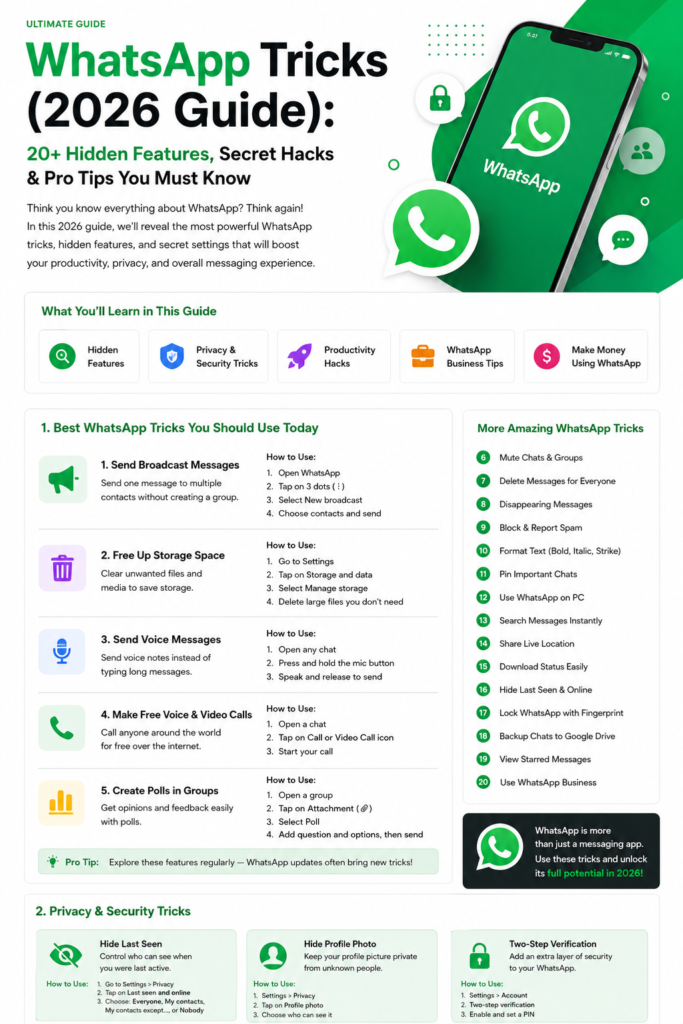
- Turn off auto-download on mobile data: Settings → Storage and data → Media auto-download. Uncheck photos, audio, video, and documents under “When using mobile data.” This single change stops the biggest leak.
- Be strict on Wi-Fi too: under “When connected on Wi-Fi,” keep only photos checked (or nothing, if you’re disciplined). Videos should always be tap-to-download.
- Control gallery visibility separately: on Android, turn off Media visibility if you don’t want new WhatsApp media appearing in Gallery. On iPhone, turn off Save to Photos if available. These settings affect gallery visibility/saving; they do not stop WhatsApp from downloading media or remove existing copies.
- Don’t default to HD: HD sending is great for special photos, but making it your default multiplies every incoming and outgoing file’s size. Send standard quality normally; choose HD only when it matters.
- Leave or mute hyperactive groups: the nuclear option. If a group exists only to forward videos, muting it for a year (or quietly exiting) saves more space than any setting.
Step 4: Back Up Before Any Big Purge
This is the step people skip and regret. Before deleting gigabytes, make sure your chats are backed up — because “delete media” is reversible only if you have a copy somewhere.
- Run a manual backup: Settings → Chats → Chat backup → Back Up Now (Google Drive on Android, iCloud on iPhone).
- Verify the backup completed — check the timestamp. A backup that “failed silently” helps nobody.
- For irreplaceable media (family photos, documents), export the chat or save files to cloud storage before deleting from WhatsApp.
Our complete WhatsApp backup guide walks through automatic backup schedules and restoring — read it once and set backups to automatic so you never have to think about this again.
Quick Answers to Common Worries
- “If I delete media, do the chats disappear?” No. Deleting media removes the files; text messages stay exactly as they were.
- “Can I get deleted media back?” Only from a backup that includes it, or by asking the sender to resend. There’s no recycle bin — hence Step 4.
- “Does clearing WhatsApp cache help?” Marginally. The real space is in media files, not cache. Focus on the storage manager.
- “Will this log me out or delete my account?” No. Storage management never touches your account, chats list, or login.
If anything in the settings looks different on your phone, WhatsApp’s official storage management guide and media auto-download instructions show the current options; menu labels can vary by platform and version.
Wrap-Up
WhatsApp storage management is a 15-minute job with an outsized payoff: check the storage manager, bulk-delete the giant forwarded videos, star and export what matters, back up, then flip the auto-download and media-visibility settings so the problem doesn’t return. Do it once properly and add a 5-minute review to your routine every couple of months. Your “storage almost full” notification days are over.

Pingback: How to Free Up Storage on Android in 2026: 9 Safe Ways
Pingback: WhatsApp Messages Not Sending in 2026: 8 Fixes