
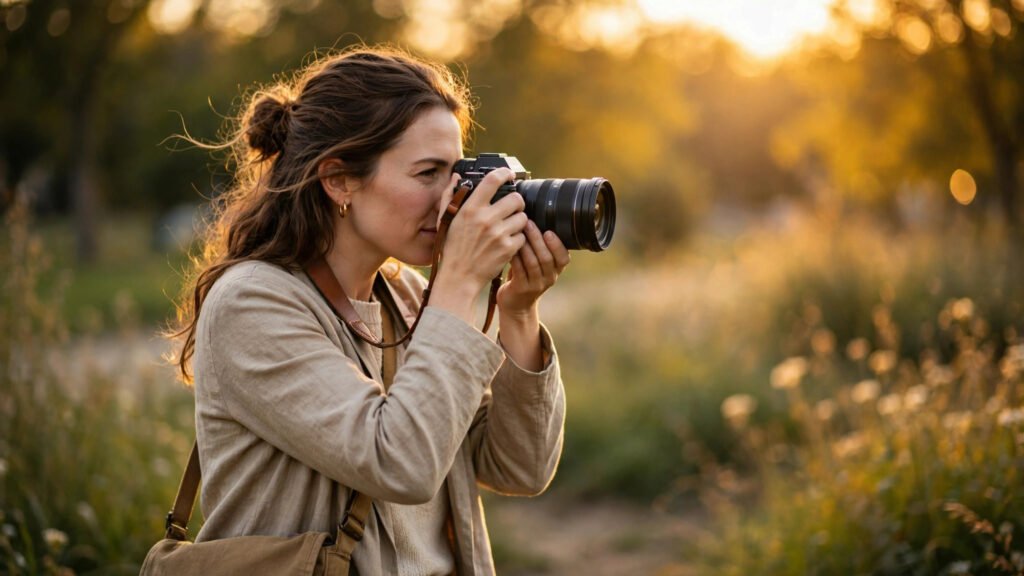
You love taking photos. Friends compliment your pictures, your phone gallery is full of shots you are proud of, and somewhere in the back of your mind a question keeps popping up: could this actually pay?
The short answer is yes — but not overnight, and not without a plan. Freelance photography in 2026 is a real way to earn a side income, and for some people it grows into a full-time career. The photographers who earn consistently are the ones who treat it like a small business from day one, not just a hobby with a price tag.
What Does a Freelance Photographer Actually Do?
A freelance photographer is self-employed. Instead of working for one studio or company, you take on jobs from different clients — portraits, weddings, events, product shoots, and real estate photos. You choose your niche, set your rates, and handle everything from shooting to editing to invoicing, including marketing and customer service. Beginners who accept this early do much better than those who expect clients to simply appear.
Step 1: Learn the Fundamentals Before You Charge
You do not need the most expensive camera to start, but you do need to understand the basics. Clients pay for results they cannot easily get themselves.
Skills worth mastering first
- Exposure and lighting: aperture, shutter speed, ISO, and how natural light behaves at different times of day.
- Composition: framing, leading lines, and the rule of thirds — the difference between a snapshot and a photograph.
- Editing: Lightroom or a similar tool. Clean, consistent edits are a big part of what clients notice.
Practice deliberately. Shoot friends, family, and local events while you build skill — but set a clear limit on free work so it stays a learning phase, not a permanent habit.
Step 2: Pick a Niche (and Stick With It for a While)
“I shoot everything” sounds flexible, but it makes you forgettable. Clients searching for a wedding photographer hire someone whose portfolio is full of weddings, not someone with one wedding photo buried among landscapes and food shots. Popular beginner-friendly niches include portraits and headshots, events, product photography, real estate, and stock photography — images that sell repeatedly online and teach you what buyers actually want.
If stock photography interests you, start by learning how to sell stock photos online — it is one of the lowest-barrier ways to earn from photos you have already taken.
Step 3: Build a Portfolio That Sells for You
Your portfolio is your shop window. A client will judge you in about ten seconds, so quality beats quantity — twenty strong images beat two hundred average ones.
How to build one with no clients yet
- Do 3–5 practice shoots in your chosen niche, even if unpaid, and treat them like real jobs.
- Show only your best work. Remove anything that does not match the standard you want to be hired for.
- Put it somewhere findable. An Instagram account, a free portfolio site, or a clean Google Drive link all work — the key is that a client can see it in one click.
- Update it regularly. Replace older work as you improve; a stale portfolio quietly costs you jobs.
Do not wait until your portfolio is “perfect” before looking for work. Start once you have a few images you are proud of.
Step 4: Find Your First Paying Clients
Getting the first client is the hardest part. After that, referrals and repeat work start doing some of the heavy lifting.
Start close to home
- Your network: tell friends, family, and coworkers you are taking bookings. Word of mouth is still the strongest channel for local photography.
- Local businesses: cafes, boutiques, salons, and gyms often need fresh photos for social media. Offer a short, affordable shoot and deliver quickly.
- Community groups: local Facebook groups and WhatsApp communities are full of people looking for an affordable photographer.
Go online
- Freelance platforms: Upwork and Fiverr list photography gigs, though competition is fierce and rates start low.
- Social media: post consistently, use local hashtags, and tag the businesses and venues you shoot at.
- Google Business Profile: a free listing helps local clients find you when they search for a photographer nearby.
If you are new to freelancing in general, read our guide on freelancing for beginners — the client-finding principles apply to photography just as well as to writing or design.
Step 5: Price Your Work Honestly
Pricing is where most beginners either undercharge out of fear or overcharge out of optimism. Both hurt you. A realistic approach:
- Research local rates. Check what photographers in your city charge for similar shoots, and price in the same range, adjusted for your experience.
- Charge for the whole job, not just the shoot. Your time includes travel, editing, and delivery. A one-hour shoot is often three to four hours of work.
- Use packages. A clear package — for example, “1-hour portrait session, 15 edited photos, online gallery” — is easier for clients to say yes to than a vague hourly rate.
- Take a deposit. A 30–50% advance booking fee protects you from no-shows and confirms the client is serious.
- Raise your rates as your portfolio grows. If you are fully booked, that is a sign to charge more.
Be honest about income expectations. Most beginners earn a modest side income in their first year — a few paid shoots a month, growing steadily. That is normal, and it is a solid foundation.
Step 6: Add Income Streams Beyond Client Shoots
Client work is unpredictable — busy months followed by quiet ones. Photographers who earn more steadily usually have more than one income stream:
- Stock photography: upload your best images to stock sites and earn royalties when they sell. Shutterstock’s contributor program is one of the most established places to start.
- Presets and editing services: sell Lightroom presets, or offer editing as a service to other photographers.
- Teaching: run a short online workshop or create tutorials once you have real experience to share.
- Related creative work: many photographers expand into design or video. For example, you can earn money with Canva by designing social media templates, or make money editing videos — skills that pair naturally with photography and let you offer clients a fuller package.
Common Beginner Mistakes to Avoid
- Working for free too long. A few portfolio-building shoots are fine; endless free work trains people to undervalue you.
- No written agreement. Even a simple message confirming the date, deliverables, price, and payment terms prevents most disputes.
- Delivering unedited photos. Clients judge you on the finished images — always deliver edited work.
- Ignoring backup. Back up every shoot in at least two places. Losing a client’s photos is a nightmare you never want.
Wrap-Up
Earning money as a freelance photographer in 2026 comes down to a simple formula: learn the craft, pick a niche, build a small but strong portfolio, find clients close to home and online, price fairly, and keep showing up. You will not get rich in your first month — but with steady practice and consistent marketing, photography can grow from a side income into a real business. Start with the camera you have, shoot this week, and take the first small step.